Respecting Closed and Sacred Places
What is closed, what is sacred and how to stay welcome.
Plan a Quieter Hawaii TripRespecting Closed and Sacred Places
Exploring hidden Hawaii comes with a responsibility. Many places are closed for good reason, many are sacred, and many are simply someone’s home. This page lists closures we verified in October 2026 and the etiquette that keeps you welcome everywhere else.
| Place | Status (checked 28 Oct 2026) | What you can do instead |
|---|---|---|
| Waipio Valley Road, Hawaii Island | Closed to visitors since 2022 under rolling county emergency rules | Visit the lookout at the top, which is open |
| Kalaupapa, Molokai | Public tours paused by the National Park Service in July 2026 | Learn its history on the Kalaupapa National Historical Park website |
| Kauai state parks | Most closed after Hurricane Lowell; Haena reopened 15 Oct with limits | Check Hawaii State Parks (DLNR) before every outing |
| Sacred Falls State Park, Oahu | Closed since the 1999 rockfall | Hoomaluhia Botanical Garden or a guided valley walk |
| Waianapanapa and Iao Valley, Maui | Open by advance reservation only | Reserve on the state parks reservation site |
Etiquette at Sacred and Cultural Sites
- Heiau (temple platforms), burial grounds and places of refuge are sacred. Stay on paths and never climb on walls.
- Do not move, take or stack rocks; stacked rock piles disturb sites and mislead other visitors.
- Leave offerings you see untouched, and do not leave your own unless you understand the practice.
- Ask before photographing people, and never photograph residents where it is not allowed.
- Treat places of loss, such as Lahaina, with the care you would give any memorial.
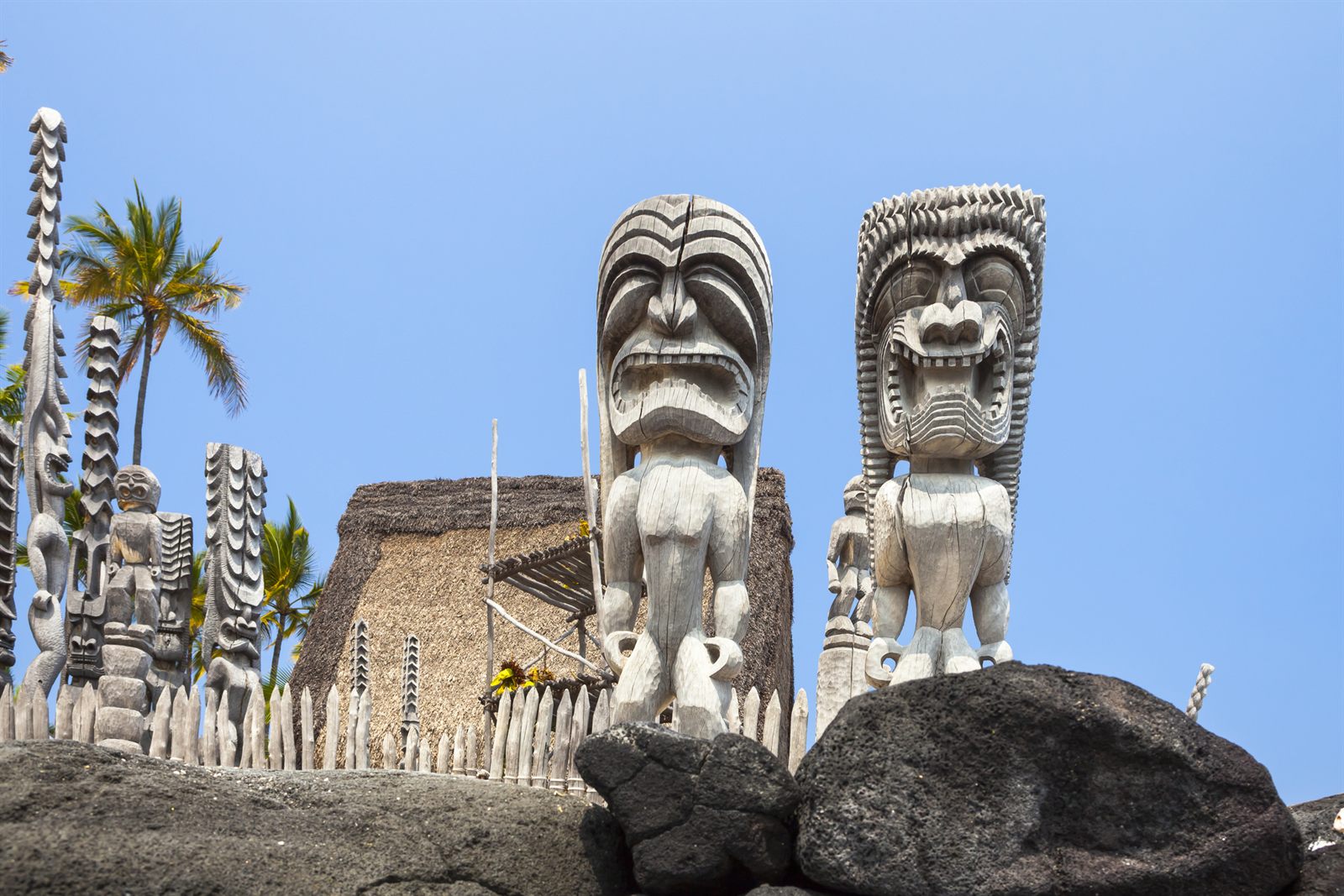
At Puuhonua o Honaunau National Historical Park on Hawaii Island, you can see a restored place of refuge and learn its meaning from the people who care for it.
Private Land and Social-Media Spots
Many viral waterfalls, swing ropes and “secret” pools are on private land or in closed areas. Trespassing can lead to fines, but the bigger problem is harm: rescues put first responders at risk, and crowds damage land and strain small communities. If you cannot confirm that a place is public and open, skip it. A legal, guided tour often reaches beautiful places with permission; see Discount Shore Activities.
The ocean deserves the same respect. Quiet beaches rarely have lifeguards. Keep your distance from turtles and monk seals, never touch coral, and stay out of the water when the surf is up.
Frequently Asked Questions
Why are some places in Hawaii closed to visitors?
For safety (rockfall, flooding, dangerous roads), for recovery after storms and fires, to protect wildlife and fragile land, and because some places are sacred or part of living communities. A closure is not a suggestion.
What should I do at a heiau or other sacred site?
Stay on paths, do not climb walls or platforms, do not move or stack stones, leave any offerings untouched, and keep your voice low. If a sign asks you not to enter, do not enter.
Plan a Respectful Trip
Tell us your interests. A specialist will plan legal, local experiences and send free quotes.
Get Free Trip Quotes